Why Professional Pest Control Matters In Mackay’s Tropical Climate
If you’ve lived through a wet season in Mackay, you’ve probably noticed pests don’t follow the neat “summer spike, winter calm” pattern that some places rely on. Humidity lingers, warmth is consistent and rainfall can push pests indoors looking for shelter, food and stable conditions. That combination can make pest activity feel constant, not occasional, and it can turn a small issue into an ongoing cycle if it isn’t handled properly.
Professional pest control isn’t only about reacting to a problem. In tropical conditions, it’s often about understanding the source of activity, choosing a treatment that suits the pest and the property, and putting prevention steps in place that actually work for the local environment. Here’s why that approach matters.
Mackay’s Climate Creates The Perfect Pest Conditions
Warm temperatures and regular moisture support pest survival and breeding. Many insects and rodents thrive when they can access water, shelter and food easily, and the tropics provide those inputs more often. Even when you keep a tidy home, pests can be driven by conditions outside, such as damp soil, dense vegetation, or water pooling after rain.
This is why pest control in Mackay often needs a broader approach than a quick spray. If the surrounding conditions stay favourable, pests can keep returning. The goal is to reduce activity in the areas they’re using, interrupt breeding cycles and limit the pathways that lead them into the home.
- Consistent warmth supports faster pest life cycles
- Moisture increases survival for insects that rely on damp conditions
- Rain can push pests from yards and gardens into buildings
- Dense growth and stored items create shelter zones that are hard to monitor
Humidity And Rain: Why Pests Don’t “Die Off” Here
In drier climates, pests often drop off when conditions turn cool or dry. In Mackay, humidity and rainfall can keep pest activity ticking along for longer. Damp areas can support cockroaches, ants and mosquitoes. Wet weather can increase termite risk factors around moisture-prone timbers and soil contact. Rodents may seek higher, drier shelter during storms, which can mean roof spaces, sheds and garages become more active.
The challenge is that humidity also affects how households manage day-to-day. Laundry areas, bathrooms, outdoor bins, compost and pet feeding zones can all become more attractive to pests when moisture is high. A treatment plan that works in a dry climate may not be enough if moisture conditions are constantly resetting the environment.
- Damp zones can become steady pest “hot spots”
- Storm activity can change where pests shelter and travel
- Moisture can influence how long certain pests remain active
- Prevention needs to consider ventilation, drainage and yard conditions
Heat Cycles And Rapid Breeding You Can’t See
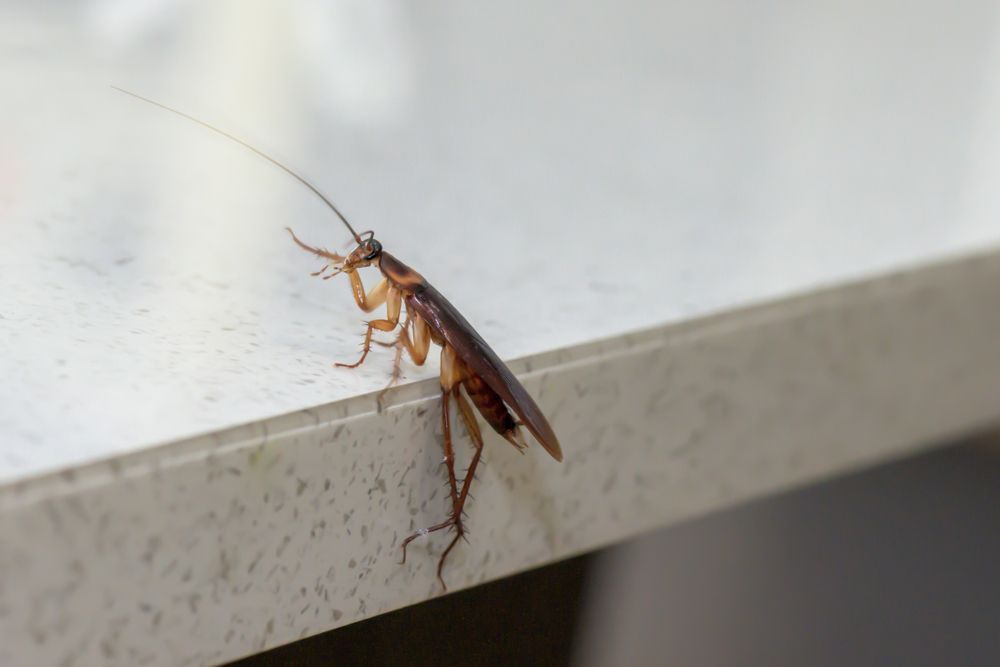
Warm weather can speed up pest breeding cycles, which means problems can scale quickly. What starts as a few ants in the kitchen can turn into constant trails. A couple of cockroach sightings can become frequent activity if harbourage areas aren’t addressed. Flies can multiply fast if there’s a food source, and mosquitoes can build up when water collects in hidden places.
Heat can also influence where pests travel. Some pests move to cooler indoor areas when the outside environment becomes harsh. Others move closer to water sources. When you’re seeing repeat activity, it often means there’s a stable nesting or breeding source nearby, not just “bad luck”.
- Faster breeding cycles can increase activity in shorter timeframes
- Heat can push pests toward shaded, sheltered indoor zones
- Small infestations can become persistent without source control
- Repeat sightings often point to harbourage areas that need targeted attention
The Pests Locals Deal With Most, And What Attracts Them
Mackay homes and yards can attract a wide variety of pests, but many issues come back to a few common drivers: easy food access, stable water sources and safe shelter. Kitchens, bins, pet food areas and cluttered storage spaces can become attractive if crumbs, grease, spills, or open containers are present. Bathrooms, laundries and outdoor drains can provide moisture. Roof voids, garden beds, wood piles and dense plants can provide shelter.
When people book Mackay pest control, they’re often dealing with a mix of symptoms, not a single obvious pest. That’s why it helps to consider the whole property, including outdoor pressure points, rather than treating one room in isolation.
- Food access is a key driver for ants, cockroaches and rodents
- Moisture supports many insects and increases indoor attraction
- Shelter zones include sheds, roof spaces and dense landscaping
- Outdoor pressure often shows up indoors after rain events
DIY Treatments: Where They Fall Short In The Tropics
DIY products can be useful for minor, occasional issues, but tropical conditions often expose their limitations. Off-the-shelf sprays and baits may not target the right species, may not reach harbourage zones, or may not break the breeding cycle. In some cases, they can reduce visible activity without addressing the source, which can make the problem feel like it “keeps coming back”.
There’s also the risk of inconsistent application. People often treat only where they see pests, but pests frequently live and breed in hidden areas. In humid conditions, re-infestation can be quicker, and yard pressure can remain high even after indoor treatment.
- DIY often addresses symptoms rather than the source
- Product choice may not match the pest species or conditions
- Hidden harbourage zones can remain untouched
- Outdoor pressure can quickly reintroduce pests indoors
Why Correct Identification Changes The Whole Treatment Plan
Not all ants behave the same. Not all cockroaches respond the same way. Termites and other timber pests require a very different approach to general insect management. Correct identification matters because it shapes the treatment choice, placement, timing and prevention plan. It also helps avoid unnecessary chemical use, because treatments can be more targeted and purpose-driven.
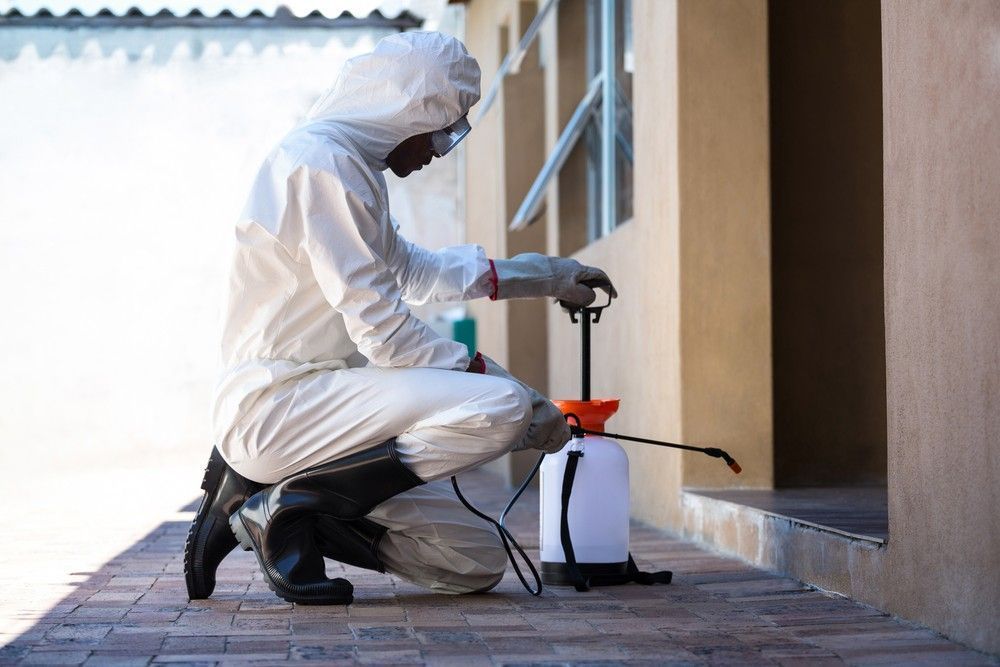
Professional pest control in Mackay typically begins with understanding what the pest is, where it is coming from and what conditions are supporting it. Without that, it’s easy to waste time and money on approaches that don’t match the real issue.
- Identification influences bait choice, treatment zones and monitoring
- Different species have different nesting and travel behaviours
- Targeted plans can reduce repeat treatment cycles
- Knowing the source helps prevent ongoing re-entry into the home
Prevention That Actually Suits Tropical Homes And Yards
In the tropics, prevention is less about “set and forget” and more about practical steps that acknowledge moisture and growth. Yard management matters because the outside environment often fuels indoor issues. Drainage, clutter control and storage habits play a role. So do small building gaps and entry points, especially around doors, vents and service penetrations.
Prevention also needs to be realistic. A plan that requires constant daily effort won’t last. The best prevention steps are the ones you can maintain without thinking about them, supported by periodic professional checks where needed.
- Reduce moisture build-up where possible through drainage and ventilation
- Limit shelter zones by managing clutter and stored items
- Seal common entry points to reduce indoor access
- Ongoing monitoring helps catch early activity before it escalates
When To Call A Professional Before It Becomes A Bigger Issue
If you’re seeing repeated pest activity, an increase in sightings after rain, or signs that pests are nesting rather than wandering through, it’s usually time to get help. Other triggers include persistent ant trails, regular cockroach sightings, rodent noises in roof spaces, or any concerns about timber pest activity. The earlier the assessment happens, the easier it usually is to map the source and put a plan in place.
A professional service can also help if you’re time-poor and want a clear, step-by-step approach rather than trial and error. That includes explaining what was found, what treatment is recommended and what prevention steps will make the biggest difference in your property.
- Repeat activity suggests the source may still be active
- Sudden increases after storms can indicate migration into buildings
- Ongoing issues can benefit from targeted identification and treatment
- Early action can reduce the chance of a small issue becoming ongoing
Book A Local Pest Assessment
We at Tropical Pest Control understand how humidity, rainfall and heat influence pest behaviour in Mackay, so if you need Mackay pest control or want to arrange pest control in Mackay for your home or business, contact us to discuss what you’re seeing and organise an inspection and treatment plan.